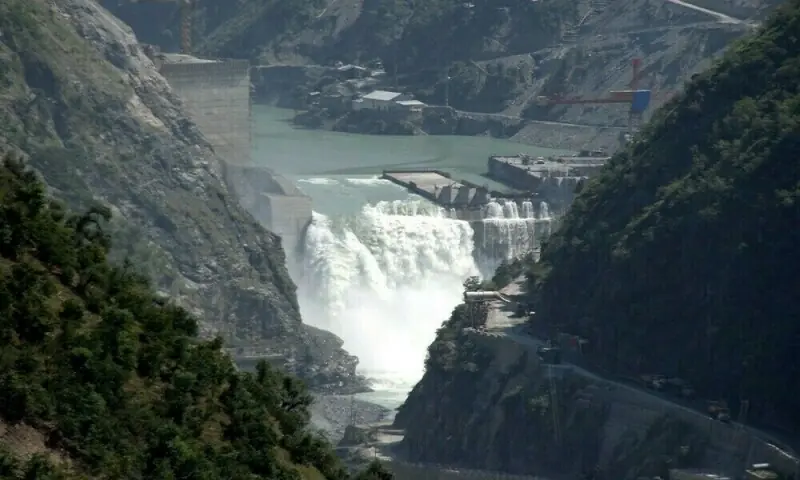
ISLAMABAD — NEW YORK — Pakistan has formally rejected India's unilateral decision to place the Indus Waters Treaty in abeyance and its warnings to restrict water flows, cautioning that weaponizing shared natural resources breaches international law. Speaking at a UN Security Council Arria-formula meeting on natural resources and conflict convened by Liberia, Deputy Permanent Representative Ambassador Usman Jadoon emphasized that such coercive measures undermine regional peace and stability while directly endangering the livelihoods of more than 240 million citizens.
Addressing the international body, Ambassador Jadoon cited the Permanent Court of Arbitration award issued on August 31, 2026, which explicitly reaffirmed that the bilateral treaty remains entirely in force and that New Delhi continues to be legally bound by its terms. He stressed that no nation should be permitted to leverage shared natural resources as instruments of political coercion or pressure in defiance of binding international treaty obligations.
Highlighting the provisions of Security Council resolution 2788, the deputy permanent representative underscored the necessity of peaceful dispute resolution under Article 33 of the UN Charter, specifically regarding trans-boundary water management. He argued that natural resources must function as tools for sustainable development and shared prosperity rather than vehicles for exploitation, conflict, or political leverage.
Beyond the regional water dispute, the Pakistani delegation voiced solidarity with African nations seeking sovereign control over their natural assets, citing the Democratic Republic of the Congo as a stark example of mineral wealth fueling conflict rather than generating prosperity. Ambassador Jadoon outlined three core priorities for averting resource-driven conflicts: addressing underlying governance drivers through equitable resource-sharing, disrupting illicit conflict financing via supply-chain traceability, and ensuring developing nations secure local processing benefits, investments, and technology transfers.







Reader Discussion (0)
MODERATED · NO LINKS OR SPAMLoading reader comments...