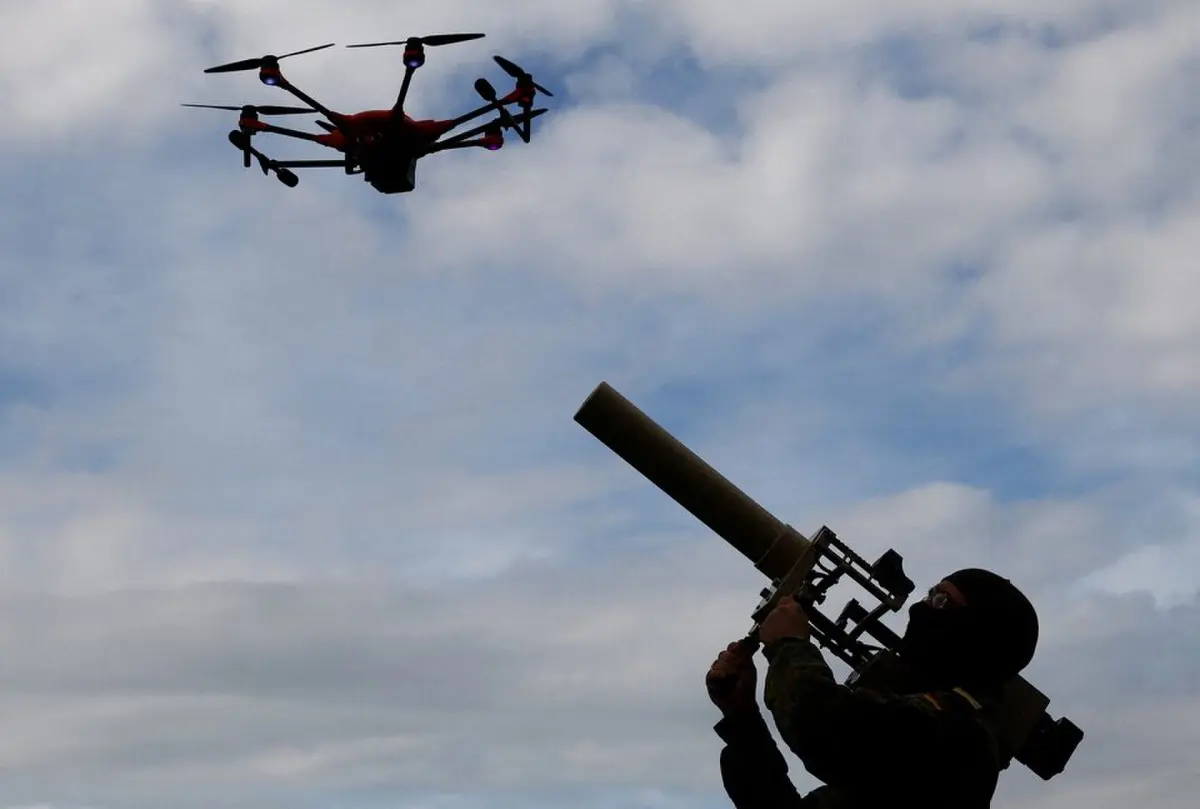
ISLAMABAD — Security forces across Pakistan are facing a shifting operational landscape as militant organizations increasingly integrate commercially available quadcopter drones into their tactical arsenals. What began as localized experimental deployments in North Waziristan during 2024 has transformed into a widespread security challenge across parts of Khyber Pakhtunkhwa and Balochistan, driven by rapid organizational learning and territorial sanctuaries.
Quantitative security indicators highlight an accelerating frequency and lethality of these aerial attacks. According to data compiled by the South Asia Terrorism Portal, approximately 60 terrorist drone strikes occurred across Balochistan and Khyber Pakhtunkhwa during the first half of 2026, resulting in 36 fatalities and 178 injuries. This represents a substantial escalation compared to the same timeframe in 2025, which saw 13 attacks, 13 deaths, and 10 injuries. Provincial police records additionally show that while zero drone assaults targeted police or security personnel in 2024, that figure surged dramatically to 170 incidents by 2026.
Geographically, the violence remains heavily concentrated in Khyber Pakhtunkhwa's southern districts, with Bannu emerging as a primary focal point alongside North Waziristan. Meanwhile, Balochistan has evolved into an increasingly active operational theatre, recording the highest overall regional totals with 176 attacks and 438 fatalities during the monitoring period, contrasted with 143 attacks and 244 deaths in Khyber Pakhtunkhwa.
The tactical evolution began in 2024 when the Hafiz Gul Bahadur Group targeted military convoys and checkpoints using improvised explosive devices dropped from modified commercial bottles and quadcopters. Federal briefings indicate this technological adaptation is now institutionalized across multiple primary militant factions, including the Tehreek-e-Taliban Pakistan, the Baloch Liberation Army, and Ittehad-ul-Mujahideen Pakistan components such as Lashkar-e-Islam and Harakat-e-Inqilab-e-Islami Pakistan.
As federal authorities and law enforcement agencies evaluate these multi-domain integration tactics—spanning reconnaissance and payload delivery—security planners are tasked with developing robust counter-drone measures. The institutional spread of commercial drone warfare underscores an urgent requirement for specialized electronic countermeasures and enhanced defensive protocols to protect security personnel and civilian populations across vulnerable provinces.