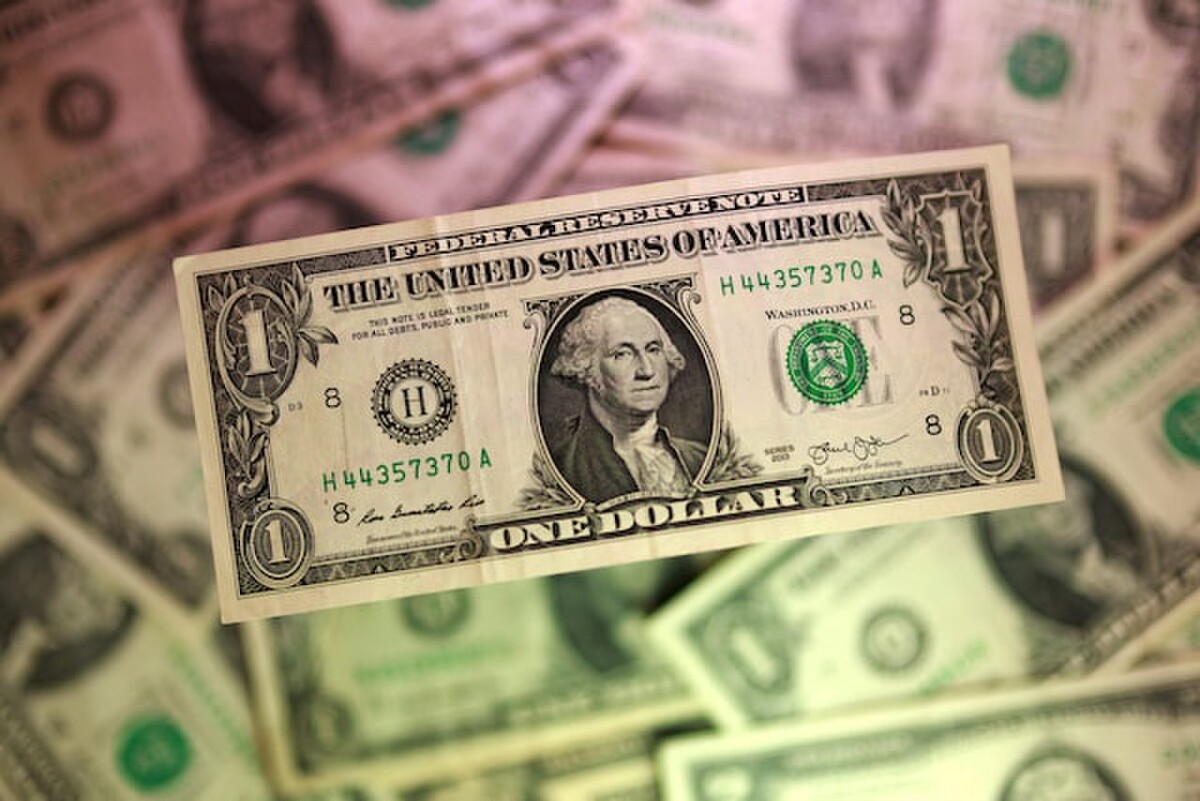
TOKYO — The US dollar consolidated its position on Wednesday ahead of critical inflation and growth data releases that precede the December Federal Reserve policy meeting, where traders currently price in a 97 percent probability of an interest rate hike. The greenback held near 103.85 on the dollar index following a 0.44 percent slide in the previous session, as market participants reassessed capital flows amid ongoing shifts in technology sector investments.
Rodrigo Catril, a senior foreign exchange strategist at the National Australia Bank, stated on a podcast, 'The whole of November has been a really, really strong month for the US dollar, so it's a little bit of a consolidation story in currencies rather than safe haven for the US dollar as the theme.' Meanwhile, the euro traded down 0.03 percent at $1.0961, while the Japanese yen edged lower to 159.28 per dollar.
Market attention is now focused on the US Commerce Department's scheduled release of the Personal Consumption Expenditures index, which is expected to show a 0.3 percent increase for October alongside the second estimate of third-quarter gross domestic product projected at an annualised 3.5 percent rate. In international markets, the Australian dollar climbed following higher-than-forecast domestic inflation figures for October.
The ongoing economic adjustments reflect persistent global pressures, as elevated oil prices driven by Middle East geopolitical tensions maintain hawkish postures among central banks seeking to control inflation. European Central Bank policymaker Olaf Sleijpen noted that the European Central Bank is likely to raise its policy interest rate in December, though subsequent monetary paths remain uncertain.
Investors continue to question the extent to which central banks can tighten monetary policy without dampening broader economic growth, particularly as recent share selling underscores anxieties regarding the viability of technology trade capital inflows. CME Group's FedWatch Tool indicates a 66 percent chance of an additional interest rate increase following December by January.









Reader Discussion (0)
MODERATED · NO LINKS OR SPAMLoading reader comments...