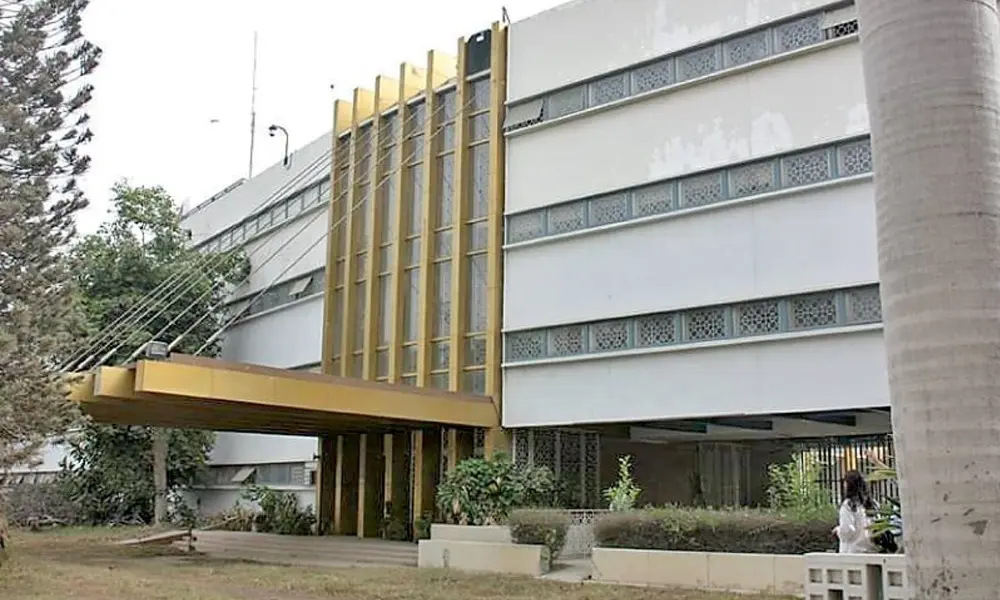
KARACHI / ISLAMABAD — In one of the most substantial private property acquisitions in the country in recent years, Pakistani conglomerate Dany Group has purchased the sprawling former official residence of the United States consul general in Karachi. The transaction, valued at Rs6.92 billion (over $25 million), transfers ownership of the prominent diplomatic estate situated in the high-security Civil Lines enclave to the group’s dedicated real estate development subsidiary, Dany Tameerat.
Official spokespersons from the United States State Department confirmed through correspondence that the compound had been formally sold to Dany Tameerat, while declining to comment on the exact transaction value. Dany Group, an established commercial enterprise headquartered in Karachi and widely recognized for its consumer electronics venture Dany Technologies, similarly verified the acquisition of the historic parcel. The premier property encompasses more than 250,000 square feet, representing approximately 2.32 hectares of prime urban land.
The acquisition underscores persistent institutional and corporate appetite for high-end real estate assets across Karachi’s prime commercial and residential sectors, despite broader macroeconomic adjustments. The transaction follows other major landmark asset negotiations in the metropolitan hub, including institutional moves such as the SIUT Trust pursuing the acquisition of Karachi’s Regent Plaza Hotel for Rs14.5 billion. Such scale indicates that prime urban land parcels in Karachi continue to command premium valuations from well-capitalized domestic groups.
Danish A. Rauf, Chief Executive Officer of Dany Tameerat, characterized the consular compound as a significant and historical architectural asset that provides immediate prestige and strategic weight to the company’s portfolio. While specific site master plans remain under formulation, Rauf disclosed that the firm is actively engaging in discussions with local and international entities to establish project partnerships. He added that any future development will retain the historic residence as its central focal point, with executive leadership also evaluating residential usage for the founding family alongside broader developmental initiatives.