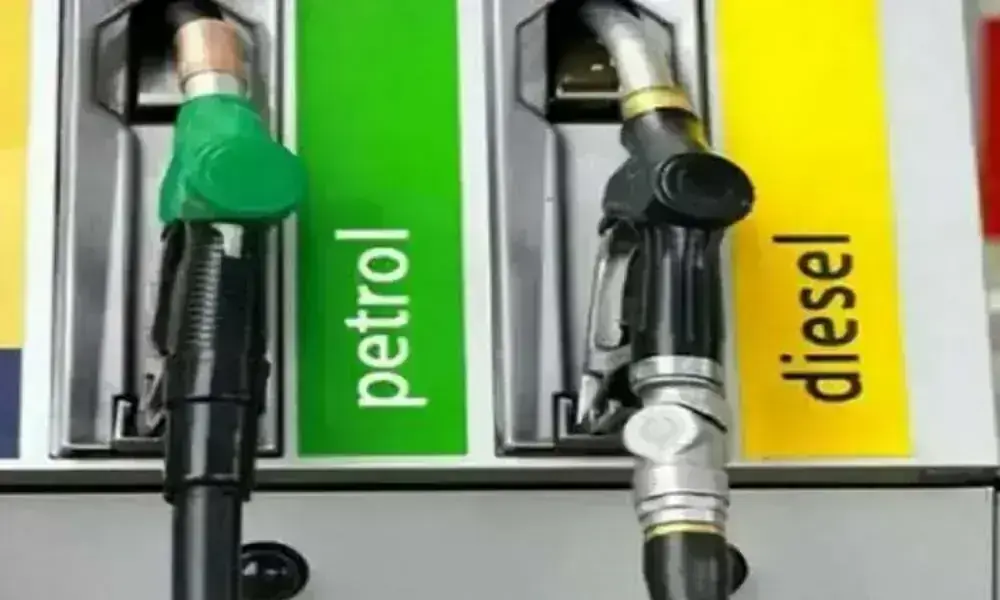
ISLAMABAD — The federal government reduced the retail price of petrol by Rs3 to Rs319 per litre, keeping diesel unchanged at Rs357, effective today, Tuesday, November 24. The adjustment follows a notification from the Oil and Gas Regulatory Authority (OGRA) that recalculates prices under the government‑approved petroleum pricing mechanism.
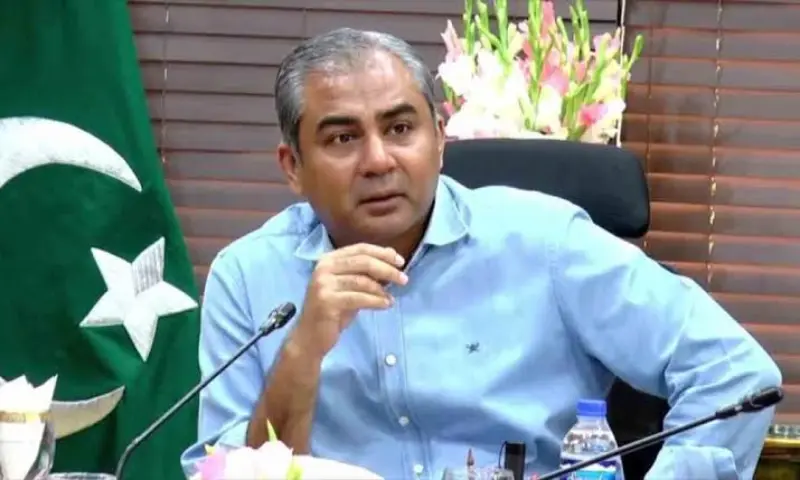
The petroleum minister explained that the cabinet and the prime minister have tasked OGRA with daily price setting based on international market trends, shifting from the previous weekly revisions. He noted that the move aims to align domestic fuel costs with volatile global crude prices and to provide quicker relief to commuters. The ministry confirmed that taxes on petrol and diesel remain unchanged at Rs114 and Rs100 per litre respectively.
Under a Nov 2 arrangement, oil refineries will shoulder a cumulative impact of Rs15 billion for 30 days, enabling a Rs14.71 reduction at the consumer end. The government continues to levy Rs114 per litre in taxes and duties on petrol and Rs100 per litre on diesel. The Prime Minister’s Fuel Relief Scheme, launched on Sept 17, still subsidises motorcycles, rickshaws and vehicles up to 800 cc, cushioning the price cut for low‑capacity users.
The Rs3 cut trims household transport costs at a time when global oil prices have slipped, offering modest relief to commuters and small‑business owners. By keeping diesel steady, the government avoids a sudden rise in logistics expenses that could feed into food and commodity prices. Analysts expect the move to temper inflationary pressure on the rupee, while the unchanged tax rates preserve fiscal revenue amid ongoing austerity measures.
Nevertheless, the daily pricing mechanism leaves room for further adjustments if international crude rebounds sharply. OGRA will review the rates each evening, and any upward revision could revive consumer concerns. Opposition lawmakers have urged the cabinet to extend the fuel relief scheme beyond the current vehicle‑capacity limit. The government has signalled that additional subsidies may be considered should global oil markets tighten again.






Reader Discussion (0)
MODERATED · NO LINKS OR SPAMLoading reader comments...