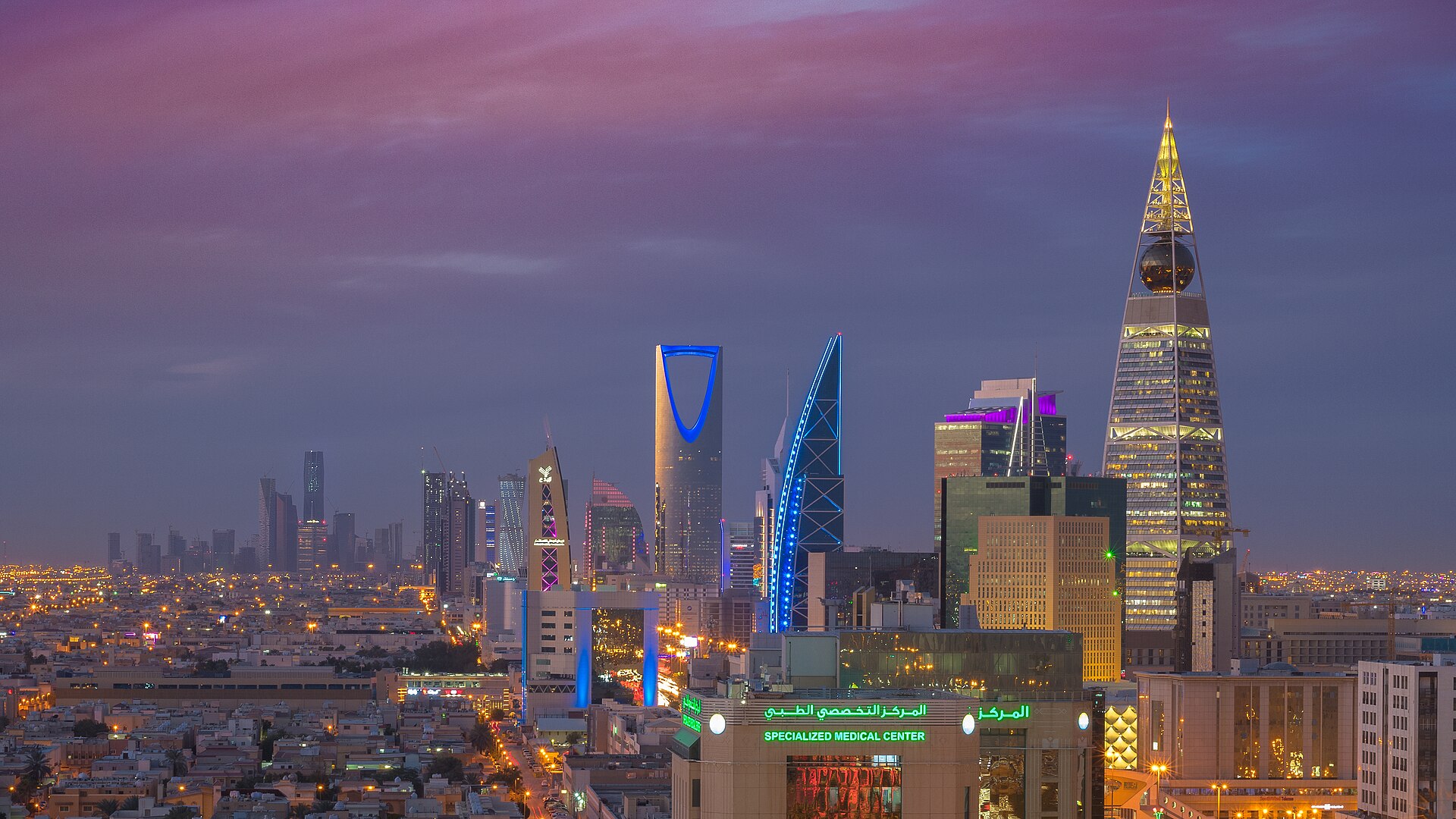
RIYADH — Saudi Arabia’s non-oil economy reached a record 57.3 percent of gross domestic product in the third quarter of 2026, buffering the Kingdom against steep energy sector contractions. The milestone comes as the national transformation program enters its final implementation phase.
Crown Prince Mohammed bin Salman informed the Council of Economic and Development Affairs that 93 percent of Vision 2030 indicators have been achieved or remain near target, with 90 percent of 1,290 planned initiatives on track. The structural reforms follow the launch of the project's third and final phase earlier this year.
Economic data shows overall gross domestic product expanded 4.6 percent in 2025 to surpass SR4.9 trillion ($1.3 trillion). Though global energy disruptions drove oil sector revenues down by 20 to 24 percent—contracting total GDP by 4.7 percent in the second quarter and 3.8 percent in the third quarter of 2026—non-oil activities expanded by 0.9 percent and 1.9 percent respectively. Meanwhile, Saudi unemployment fell to 6.5 percent, and female workforce participation reached 36.3 percent.
The sustained non-oil growth has anchored international confidence, keeping sovereign credit ratings at Aa3 from Moody’s and A+ from Fitch and S&P. Saudi market capitalization now exceeds $2.4 trillion, supported by more than 660 multinational corporate regional headquarters in Riyadh. The Public Investment Fund (PIF), managing nearly $1 trillion in assets, currently allocates 80 percent of its investments within the domestic market.
Structural risks remain linked to international crude volatility and broader regional stability, which reduced oil output throughout 2026. Preserving economic momentum through the final 2026–2030 phase will depend on maintaining non-oil revenue growth as homeownership reaches 66 percent and digital public infrastructure expands.





Reader Discussion (0)
MODERATED · NO LINKS OR SPAMLoading reader comments...