Tehran Forges Underground Missile Network Across Regional Allies

Historical analysis reveals how Iran and its Arab partners developed subterranean warfare doctrines.

Share:WhatsAppX / PostFacebookLinkedIn
CommentsAdd to Preferred Sources
Tehran Forges Underground Missile Network Across Regional Allies — Newsbeat world coverage
Tehran Forges Underground Missile Network Across Regional Allies — Newsbeat World Desk
Key Takeaways
  • Iran's missile program originated during the 1980-1988 war with Iraq due to a lack of retaliatory capability.
  • Early Iranian missile operations in 1984 relied on minimal equipment transported in a single Toyota station wagon.
  • Key figures like Hassan Tehrani Moghaddam and Amir Ali Hajizadeh shaped Iran's missile and underground infrastructure.

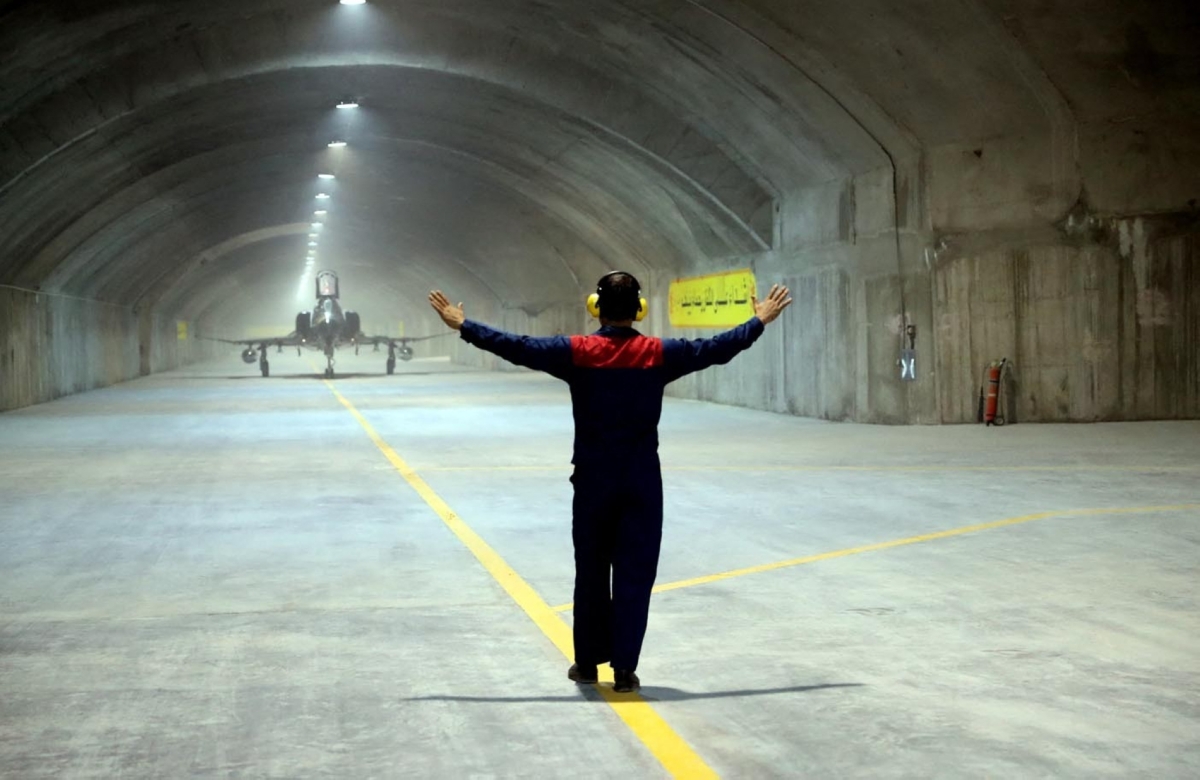
TEHRAN — While conventional wisdom often frames Tehran as the sole director of its Arab allies, historical analysis shows that underground warfare doctrines in Gaza, Lebanon, and Yemen evolved from distinct local needs. Hezbollah, Hamas, and the Houthis built extensive subterranean military infrastructure independently to counter enemies possessing overwhelming air superiority.

Ali Bilali, a veteran of the Islamic Revolutionary Guard Corps missile programme, recalled that early operations in 1984 involved just seven or eight men travelling from Tehran to Kermanshah in a Toyota station wagon. "They would launch a missile and return to Tehran," Bilali noted, adding that the necessary equipment easily fit inside the vehicle.

The Islamic Republic initially secured foundational military hardware by dispatching commanders to Syria and Libya, where they acquired two launchers and approximately 30 missiles before North Korea emerged as an important supplier. Four decades later, this expansive missile force became the centrepiece of the nation's broader deterrence strategy against potential American or Israeli strikes.

Understanding the mechanics behind these underground networks matters because subterranean missile cities remain critical to the survival strategies of regional actors facing advanced aerial adversaries. The evolution of these defensive fortifications demonstrates how military necessity consistently drives tactical innovation across volatile geopolitical landscapes.

Although Tehran provided considerable technical expertise, financial backing, and weapons to its allies, analysts emphasize that each group pursued subterranean construction out of immediate survival imperatives. Institutional constraints and foreign technological sourcing ultimately shaped both Iranian capabilities and the parallel defensive architectures built by its regional partners.

STAY INFORMED WITH NEWSBEAT

Read today's top national, economic, and world stories in 60 seconds, or follow our official newsroom channels.

Today's Briefing →X (@newsbeatdotpk)FacebookInstagram

Reader Discussion (0)

MODERATED · NO LINKS OR SPAM
0/500 characters

Loading reader comments...

Most Popular

TOP READS ACROSS NEWSBEAT
01
Craft Anything moves software inspection onto your own machine — Newsbeat technology coverage
Craft Anything moves software inspection onto your own machine
02
Why Pakistan's digital news ecosystem needs source-verifiable reporting over viral speed traps — Newsbeat opinion coverage
Why Pakistan's digital news ecosystem needs source-verifiable reporting over viral speed traps
03
PM Sharif Launches Mehfooz Dawa App Against Counterfeit Drugs — Newsbeat pakistan coverage
PM Sharif Launches Mehfooz Dawa App Against Counterfeit Drugs
04
NFL Icon Tom Brady Eyes Clearlake Capital Stake in Chelsea — Newsbeat sports coverage
NFL Icon Tom Brady Eyes Clearlake Capital Stake in Chelsea
05
Interior Minister Mohsin Naqvi Responds to Cabinet Minister Criticism — Newsbeat pakistan coverage
Interior Minister Mohsin Naqvi Responds to Cabinet Minister Criticism
06
First Lady Urges Strict Law Enforcement to End Violence — Newsbeat pakistan coverage
First Lady Urges Strict Law Enforcement to End Violence

Latest Stories

ALL LATEST →