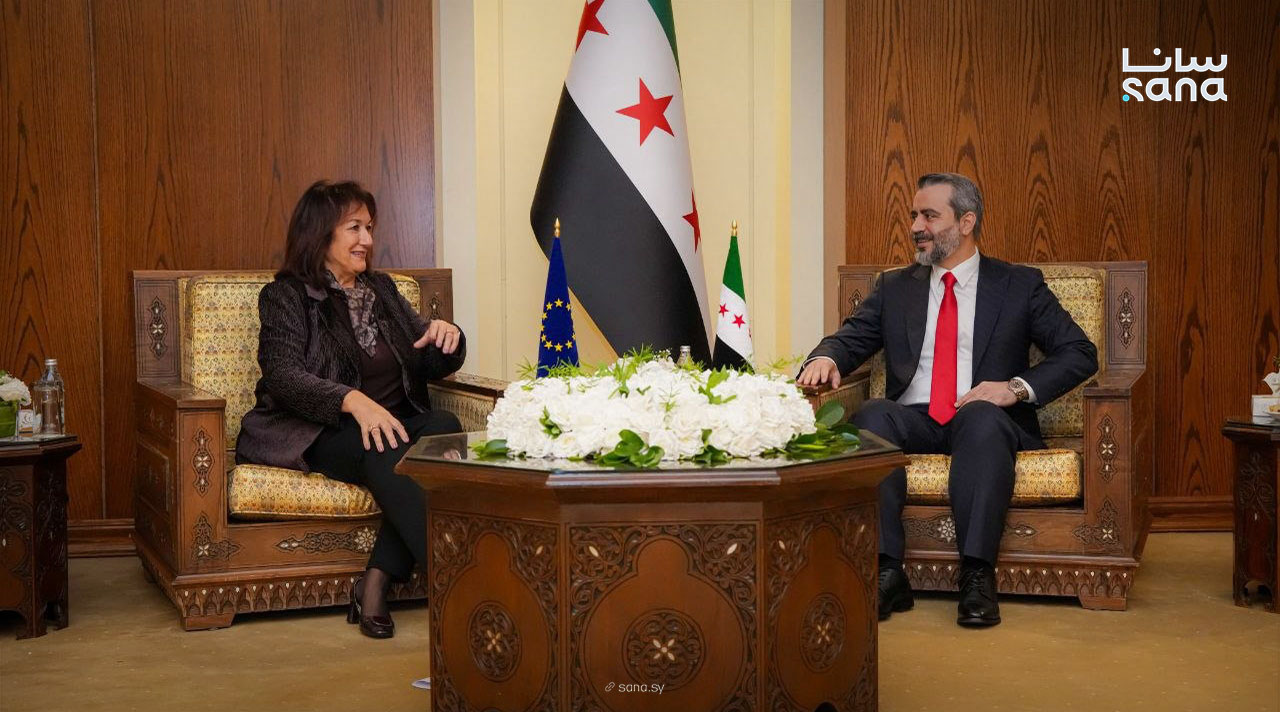
INTERNATIONAL DESK — DAMASCUS — Syrian Foreign Minister Asaad Hassan al-Shaibani recently held high-level discussions with European Union Commissioner Dubravka Suica to pursue international cooperation for national economic development. The diplomatic engagement took place during the Syria Partnership Coordination Forum hosted in the Syrian capital, marking a significant step toward re-establishing institutional economic ties after a prolonged period of instability.
At the center of the dialogue was the European Union's recent funding initiative valued at 620 million euros. Both officials explored strategic pathways to channel these resources effectively toward stabilization efforts. Additionally, the discussions evaluated prospective multilateral collaborations involving the World Bank to maximize the reach and impact of incoming financial assistance.
Beyond immediate financial relief, the talks laid the groundwork for establishing a comprehensive framework covering bilateral trade and structured political dialogue. Syria's leadership is actively seeking robust international partnerships to revitalize domestic markets and address infrastructural damage stemming from a decade of conflict, signaling a concerted push toward long-term recovery and reintegration into global economic networks.
While the talks in Damascus outline a clear trajectory for future cooperation, the implementation of specific projects remains dependent on ongoing diplomatic alignment and formal institutional approvals. Stakeholders across international and regional sectors continue to monitor the framework's progress as planners work to translate funding commitments into tangible development outcomes on the ground.