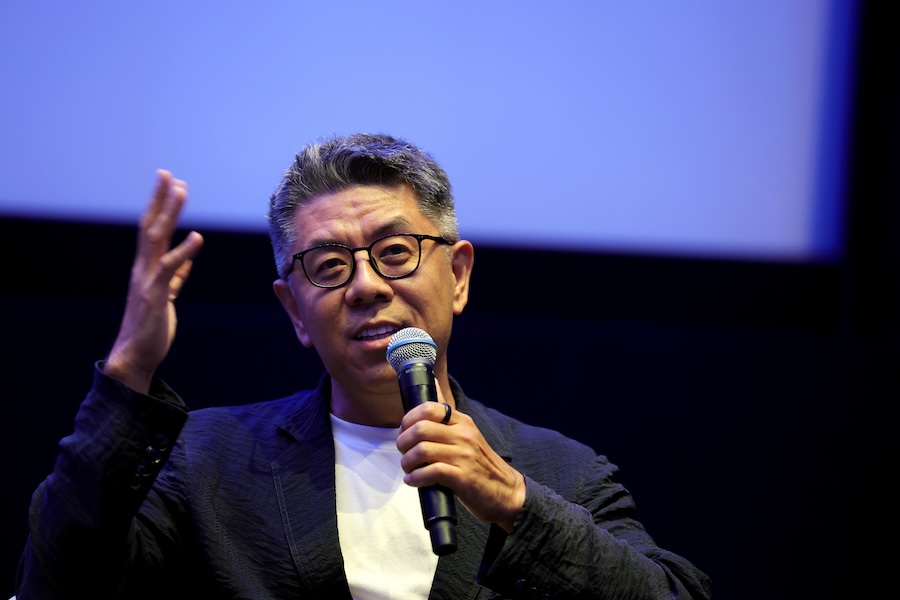
INTERNATIONAL DESK — Rejecting the conventional reliance on towering structures and advanced technology, prominent Chinese architect Ma Yansong has asserted that the future of urban design lies in generating genuine emotional resonance for inhabitants. Speaking on contemporary design philosophies, the founder of global practice MAD Architects critiqued the enduring legacy of mid-century modernism and its mechanical approach to metropolitan environments.
According to the designer, whose firm maintains operations across Beijing, Rome, and Los Angeles, the prevailing architectural paradigm has long treated urban centers as industrial assembly lines. This mechanical framework, established during the modernist movement, reduces human habitats to standardized boxes designed exclusively for labor rather than spiritual or emotional well-being.
The critique highlights a growing philosophical shift among leading global urbanists away from sheer vertical expansion and high-tech optimization. By emphasizing spaces that provoke feeling, the design perspective challenges traditional developer metrics that equate urban progress solely with height and structural density.
The insights from the MAD Architects founder arrive as cities worldwide grapple with sustainable development and human-centric planning. While commercial pressures continue to favor high-rise maximization, the debate underscores the ongoing challenge for municipal planners seeking to balance functional urban growth with psychological livability.