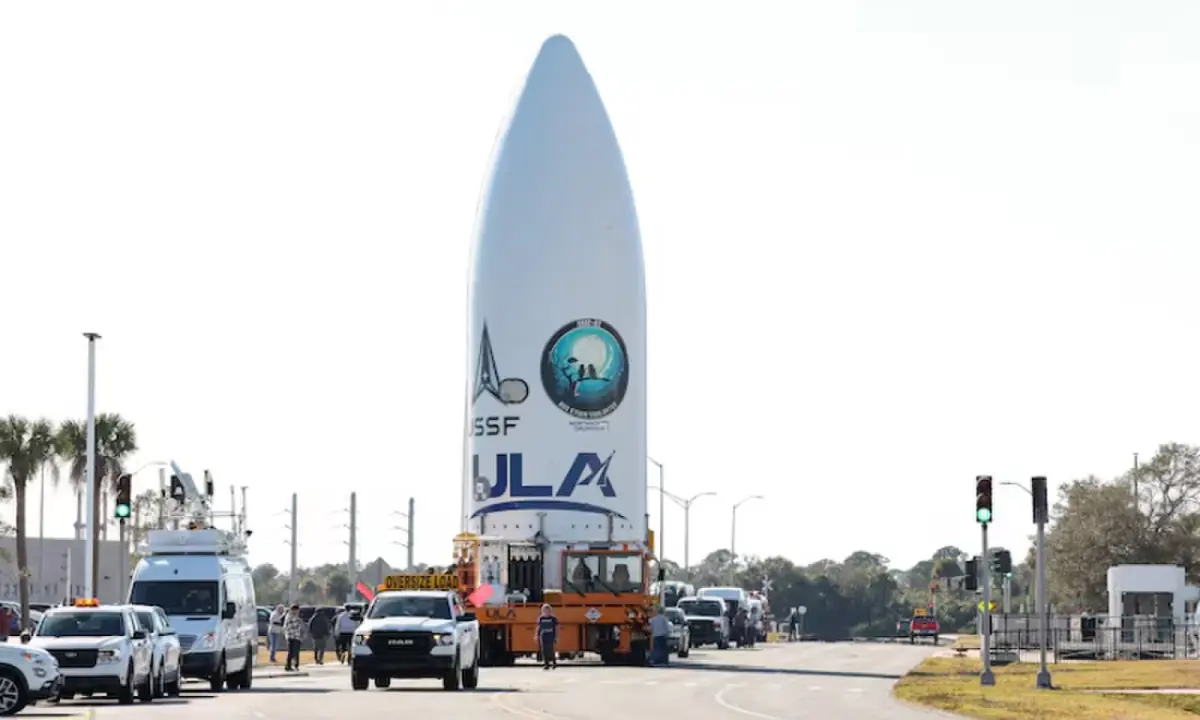
INTERNATIONAL DESK — A flagship Vulcan rocket operated by United Launch Alliance, the joint venture between aerospace giants Boeing and Lockheed Martin, suffered a critical mid-flight failure on Sunday shortly after lifting off from Florida, resulting in the complete destruction of its commercial payload. According to official mission statements issued by the launch provider, the vehicle encountered an unverified anomaly approximately 10 minutes into the flight trajectory following liftoff from Space Launch Complex 41 at the Cape Canaveral Space Force Station.
The catastrophic mishap destroyed a batch of 40 satellites belonging to Amazon's burgeoning Leo internet constellation. The flight marked the fifth launch of the Vulcan vehicle since its initial debut in 2024 and its first mission in nine months, following previous operational pauses driven by technical reviews of its solid rocket boosters and core BE-4 engines supplied by Jeff Bezos' Blue Origin.
This unexpected failure represents a substantial setback for United Launch Alliance as the company sought to establish a reliable, regular cadence of commercial launches. Industry experts note that the incident is certain to trigger an extensive technical investigation, which will likely keep the Vulcan rocket grounded for several months while engineers evaluate telemetry data and determine the root cause of the mid-flight anomaly.
The grounding of the rocket threatens to exacerbate existing aerospace launch bottlenecks across the United States, compounded by concurrent industry challenges and the eventual retirement trajectory of competing launch vehicles. Despite the setback, representatives from Amazon affirmed their ongoing collaboration with the launch provider, expressing confidence that the engineering teams will identify the failure points and continue supporting long-term deployment strategies for the satellite constellation.