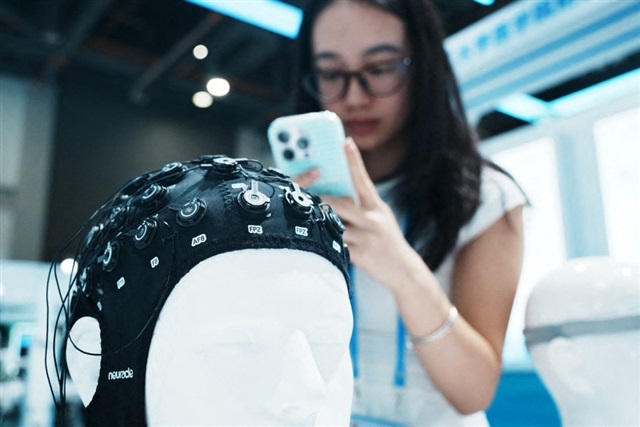
BEIJING — (Nov 28) Dr. Minmin Luo, director of the Chinese Institute for Brain Research, warned that the next step for brain‑computer interface (BCI) technology is proving real‑world benefit for patients, not merely cursor control. The 2026 BCI Conference concluded with a call for clinical relevance.
Luo said, “Now that we can do it, the question is: so what? What can it actually do?” He highlighted that patients with high‑level paralysis prioritize regaining basic bodily functions over operating a computer mouse, urging the industry to focus on meaningful outcomes.
The institute reported that NeuCyber’s Beinao‑1 system has completed more than 44 human implants, with the longest implantation exceeding 20 months and cumulative safe operating time surpassing 170,000 hours. The clinical trial recruitment is finished, and registration is slated for 2027.
This shift matters because it aligns BCI research with patient needs, potentially accelerating regulatory approval and market adoption. It also signals a broader trend in China’s medical tech sector toward solutions that demonstrably improve quality of life.
However, the path forward remains cautious. Implantable systems carry surgical risks and long‑term reliability questions, while non‑invasive devices face signal quality limits. Regulatory approval will hinge on sustained safety data and clear evidence of functional gains.



Reader Discussion (0)
MODERATED · NO LINKS OR SPAMLoading reader comments...