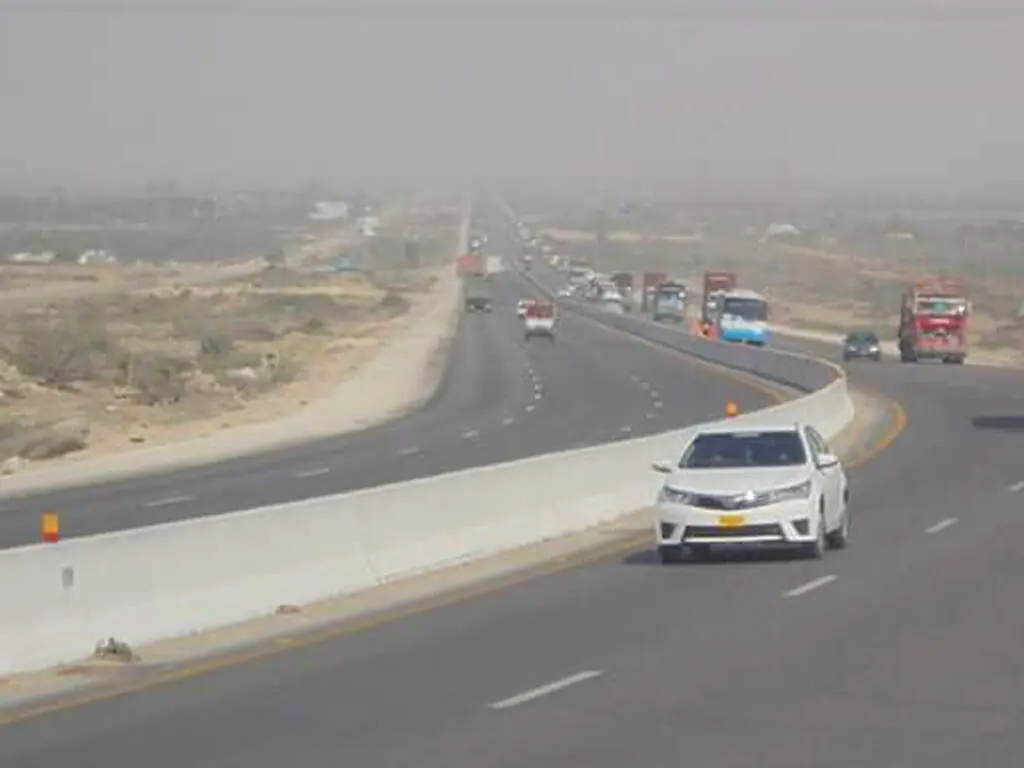
ISLAMABAD — The board of the Public Private Partnership Authority (P3A) has approved Sections I and II of the M-6 motorway during its 46th meeting, marking a significant step forward for the major infrastructure project. Chaired by Muhammad Ali, Advisor to the Prime Minister on Privatisation and Chairman of the Privatisation Commission, the session cleared the initial segments spanning approximately 121 kilometres to be developed under a public-private partnership framework.
Under the approved structure, private investors will develop and operate each section for a period of 25 years, recovering their capital investments through toll revenues before handing the infrastructure back to the National Highway Authority in good working condition. The government has committed to providing Viability Gap Funding exclusively for Section I to guarantee commercial viability and maintain affordable toll rates for motorists. The Asian Development Bank acts as the transaction adviser for these sections, with the National Highway Authority slated to invite bids from qualified local and international investors.
The overarching 306-kilometre, six-lane, access-controlled M-6 project is structured across five sections and aims to drastically reduce travel times between Hyderabad and Sukkur from roughly six hours down to three. Currently, traffic relies heavily on the congested N-5 National Highway, where mixed local traffic and heavy freight vehicles sharing crowded municipal stretches present continuous road-safety challenges. Financing for the remaining three sections, stretching from Nawabshah to Sukkur, relies on sovereign loans from the OPEC Fund and the Islamic Development Bank, with procurement currently underway.
For commuters and transport operators, the project offers a modern, high-speed alternative to the congested national highway once finalized. The hybrid model allows the public sector to secure critical transport infrastructure without shouldering the full upfront capital expenditure, transferring operational upkeep to private concessionaires while retaining a share of project revenues.









Reader Discussion (0)
MODERATED · NO LINKS OR SPAMLoading reader comments...