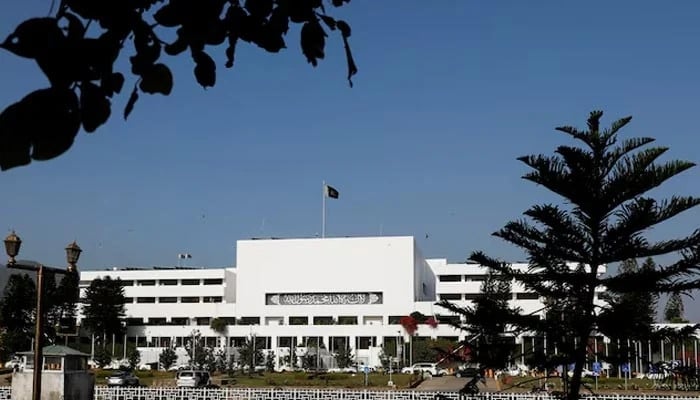
ISLAMABAD — Facing an unfamiliar assortment of administrative hurdles and systemic setbacks, the nation's political leadership has turned to a familiar strategy by initiating efforts to redraw administrative boundaries. The Parliament House in Islamabad has become the focal point for deliberations as authorities grapple with compounding pressures across multiple governance sectors.
The push for territorial reconfiguration comes at a time when the domestic economy continues to struggle against significant fiscal headwinds. Policy architects argue that structural adjustments and boundary realignments are necessary to streamline administrative oversight and improve operational efficiency across various tiers of government.
Beyond economic strains, democratic institutions have experienced noticeable weakening, while the judicial apparatus faces growing vulnerabilities. Observers note that administrative reforms and territorial adjustments have frequently been deployed by successive administrations to recalibrate power dynamics during periods of heightened systemic stress.
Civic stakeholders and institutional analysts are closely monitoring the unfolding policy direction to assess how proposed boundary changes will impact regional governance and resource distribution. As legislative debates progress, the exact timeline for implementation and the formal scope of the map revisions remain subject to ongoing political consensus.







Reader Discussion (0)
MODERATED · NO LINKS OR SPAMLoading reader comments...