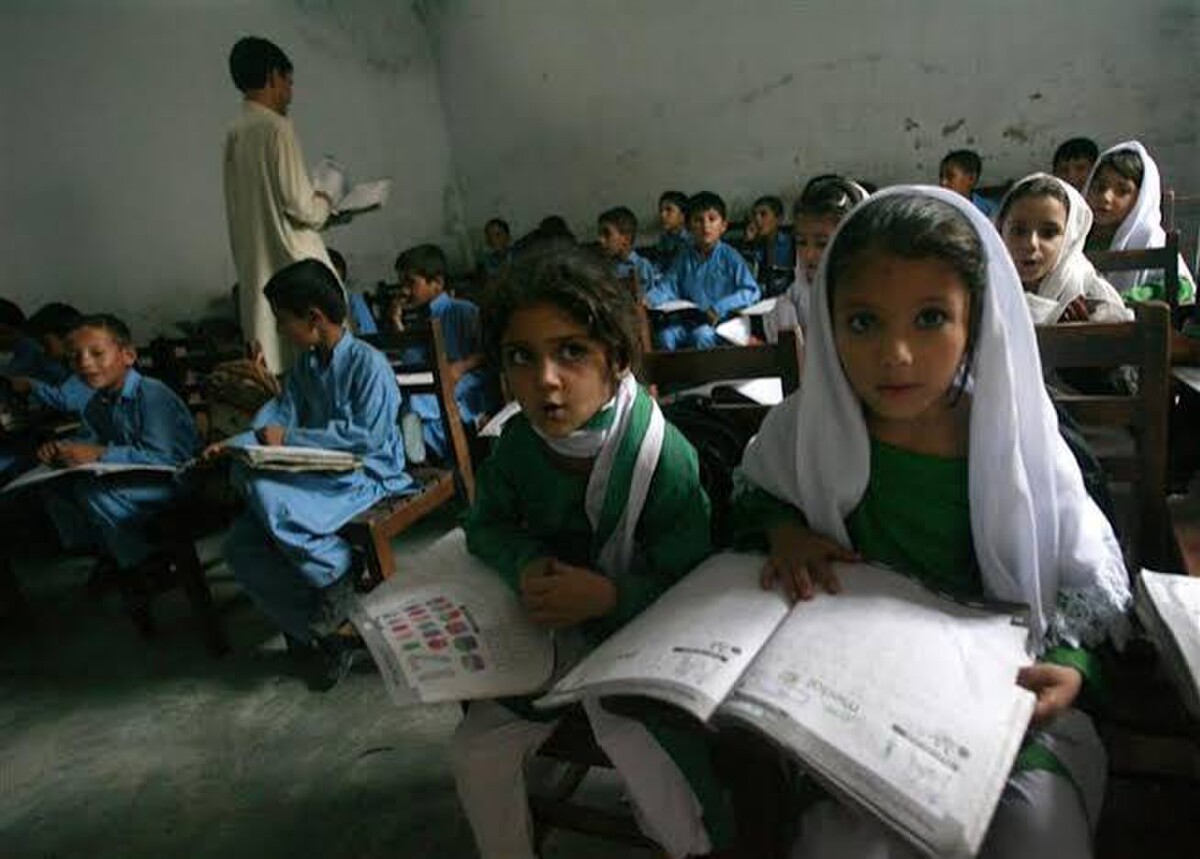
INTERNATIONAL DESK — Guaranteeing that every child receives at least one year of preschool education by 2030 requires more than $35 billion in additional annual funding worldwide, according to a comprehensive study released on World Children’s Day. Published jointly by international agencies, the 2026 Global Report on Early Childhood Care and Education highlights that stagnating enrolment rates and deep financing inequalities continue to leave millions of young children without quality care.
The analysis reveals that participation rates for children one year before primary entry age reached 75 per cent in 2024, up from 64 per cent in 2003, but growth has stalled over the past decade. Globally, only 59 per cent of children entering primary school have attended at least one year of pre-primary education, a proportion that has remained virtually unchanged since 2015 and falls significantly short of Sustainable Development Goal targets.
Regional disparities remain stark across the globe. While participation rates exceed 90 per cent in Europe, Northern America, Latin America, and the Caribbean, they linger near 50 per cent in Northern Africa, Western Asia, and sub-Saharan Africa. Furthermore, only 64 per cent of children aged 24 to 59 months are developing as expected for their age globally, a figure that drops to 53 per cent in sub-Saharan Africa.
The report underscores that failing to invest in early childhood education carries a steep economic price, with the cost of inaction averaging 3 per cent of GDP globally and reaching up to 7 per cent in low-income economies. Conversely, targeted financial commitments can yield robust economic returns, as every dollar directed toward closing childcare policy gaps is projected to generate $3.76 in additional global GDP by the year 2035.







Reader Discussion (0)
MODERATED · NO LINKS OR SPAMLoading reader comments...