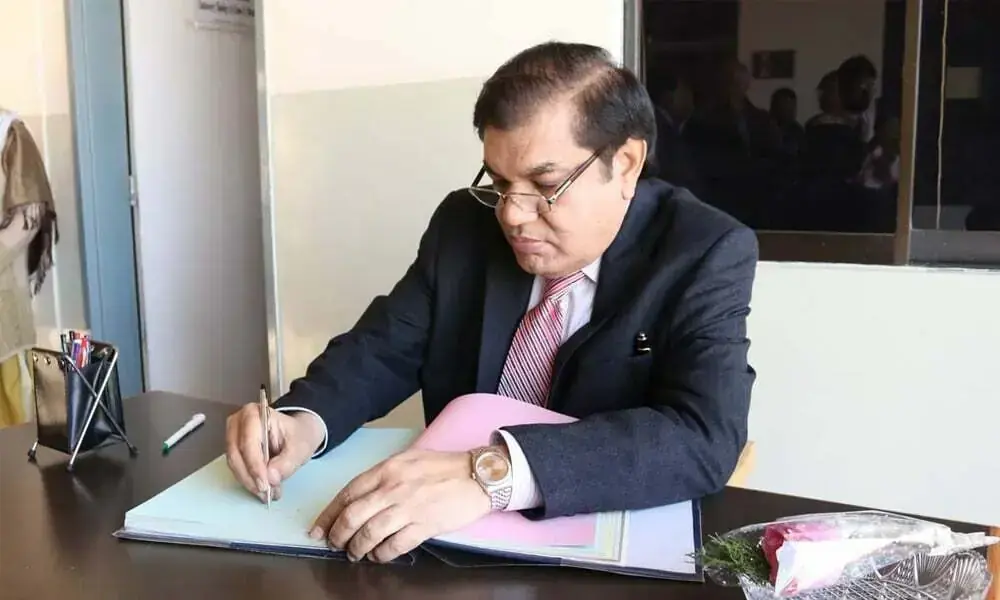
KARACHI / ISLAMABAD — Non-petroleum items accounted for approximately 89 percent of the overall increase in imports during the July–September period, according to Mian Zahid Hussain, President of the Pakistan Businessmen and Intellectuals Forum, Chairman of the National Business Group Pakistan, and Chairman of the FPCCI Policy Advisory Board. The expansion in import figures reflects rising domestic industrial activity and a growing demand for raw materials required by local manufacturers.
Breakdown of the trade figures shows that machinery imports climbed by approximately USD504.1 million, while metal imports recorded an increase of USD377.1 million. The data highlights greater demand for industrial inputs such as raw cotton, iron, and steel. Conversely, higher global prices elevated the import bill for specific petroleum products even though actual import volumes registered a decline.
Industry representatives have called on the government to evaluate the economic returns generated by productive imports and to support local industries in manufacturing competitive domestic substitutes. Such measures are viewed as vital for achieving genuine foreign exchange savings and lowering the national trade deficit through enhanced export earnings and domestic value addition.
Exporters continue to face operational hurdles, including expensive electricity and gas tariffs, multiple taxes and levies, delayed tax refunds, and certification expenses. Extended shipping times have further increased working capital requirements, placing additional financial strain on businesses that rely on commercial credit.
To mitigate these challenges, trade bodies have urged the Ministry of Commerce, Ministry of Maritime Affairs, Federal Board of Revenue (FBR), Trade Development Authority of Pakistan (TDAP), and FPCCI to collaborate on resolving production and logistics constraints. Recommended measures include ensuring transparent freight rates, reliable shipping services, prompt port clearance, and advance clarity on energy costs.






Reader Discussion (0)
MODERATED · NO LINKS OR SPAMLoading reader comments...