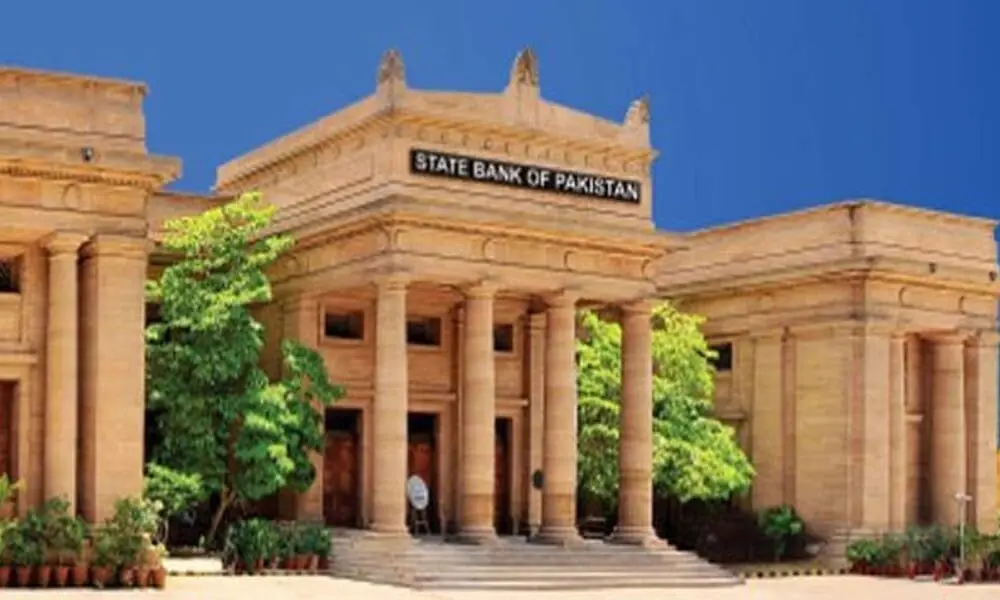
KARACHI / ISLAMABAD — The State Bank of Pakistan (SBP) has projected real gross domestic product (GDP) growth between 3.5 percent and 4.5 percent for the 2026–27 fiscal year (FY27), pointing to strengthening macroeconomic stability, a rebound in domestic demand, and the lagged benefits of monetary policy easing. Releasing its Annual Report on the State of Pakistan's Economy for FY26 on Monday, the central bank indicated that recent fiscal policy measures designed to stimulate industrial expansion, alongside fortified fiscal and external buffers, have placed the national economy on a firmer footing.
According to the central bank's assessment, Pakistan has demonstrated notable resilience against global supply chain disruptions and rising input costs connected to the Middle East conflict, faring significantly better than during the geopolitical shock of FY22. Improved sovereign credit ratings and continued active engagement under International Monetary Fund (IMF) programs have reduced the country's risk premium while reviving foreign investor confidence. In the agrarian sector, despite downside threats from El Niño weather patterns, improved output in major Kharif crops—including sugarcane, rice, and maize—is expected to drive secondary expansion across the services sector.
The central bank noted that while economic expansion, tariff rationalization, and elevated global commodity prices will likely increase import demand, export earnings are anticipated to post a moderate recovery aided by official policy incentives and a gradual uptick in international demand. Additionally, sustained momentum in workers' remittances is projected to keep the current account deficit tightly contained between 0 and 1.0 percent of GDP during FY27. Foreign exchange reserves will be further supported by official bilateral and multilateral inflows, central bank market purchases, and a planned $3 billion Eurobond issuance scheduled for September 2026.
Despite the favorable economic momentum, the SBP warned that the forward-looking outlook remains vulnerable to substantial downside risks, particularly escalating Middle East tensions, the emergence of restrictive international trade blocs, and severe climate shocks. Central bank analysts underscored that maintaining structural reforms, adherence to fiscal discipline, and preserving external account stability will be crucial to absorbing external shocks and sustaining long-term growth through FY27.