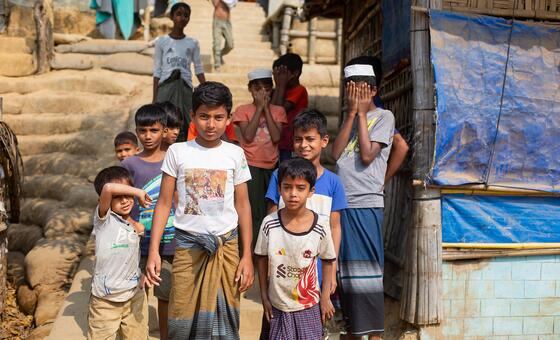
INTERNATIONAL DESK — GENEVA — Significant contractions in international humanitarian funding are compounding severe protection risks for displaced populations, leaving refugee children increasingly vulnerable to trafficking, exploitation, and abuse as monitoring systems deteriorate.
According to humanitarian assessments analyzed by officials, sharp resource constraints have severely undermined the operational capacity of frontline child protection networks. These funding deficits have directly weakened institutional safety nets designed to identify, prevent, and respond to cases of severe exploitation and trafficking.
The broader operational crisis underscores a widening gap between growing displacement emergencies and shrinking donor commitments. As critical assistance programs scale back operations, vulnerable minors find themselves stripped of vital shelter, legal safeguards, and educational access that traditionally serve as primary deterrents against criminal exploitation.
International stakeholders and relief agencies urge immediate financial interventions from donor states to restore essential protection frameworks. Without renewed funding allocations, human rights advocates caution that predatory networks will continue to exploit systemic protection gaps, placing thousands of displaced children at prolonged risk.