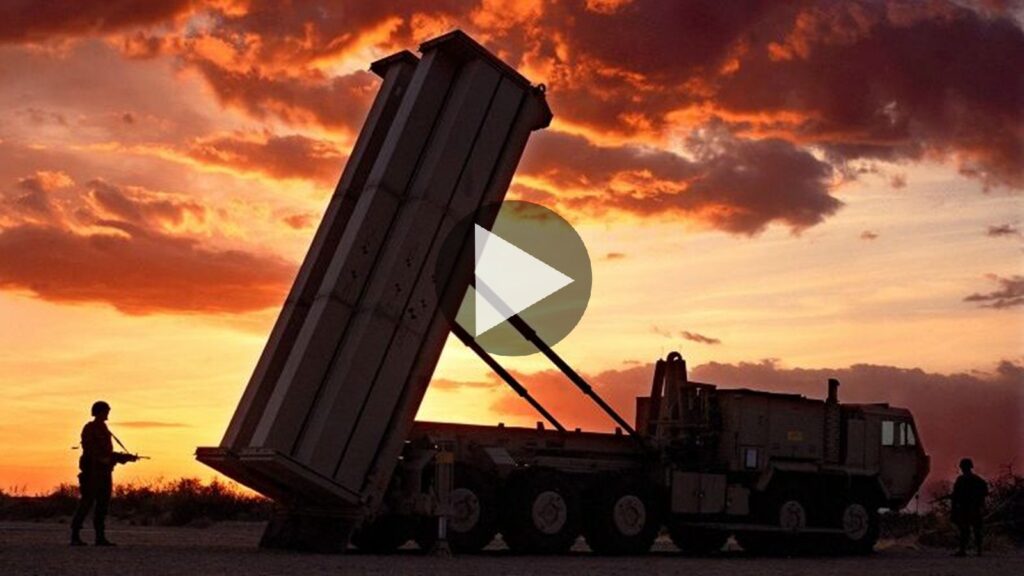
INTERNATIONAL DESK — Military analysts examining global air defense strategies have highlighted distinct operational takeaways from recent combat engagements in Ukraine and Iran, assessing how these tactical lessons apply directly to security dynamics in the Pacific.
During a specialized video roundtable hosted by defense commentators, specialists scrutinized the performance, limitations, and supply chain demands of modern interceptor systems currently tested in active conflict zones. The discussions focused heavily on whether current military architectures can withstand high-volume missile and drone saturation.
Strategic planners noted that defense infrastructure tailored for European land warfare does not automatically translate to the maritime and island geography characteristic of potential Pacific flashpoints involving China. The unique logistical hurdles of the Indo-Pacific theater demand specialized naval and distributed air defense frameworks.
The findings carry significant implications for defense procurement officers, allied military planners, and policymakers evaluating force readiness. As regional tensions persist, defense contractors and government agencies continue reviewing these operational insights to refine future missile defense investments and deployment strategies.







Reader Discussion (0)
MODERATED · NO LINKS OR SPAMLoading reader comments...