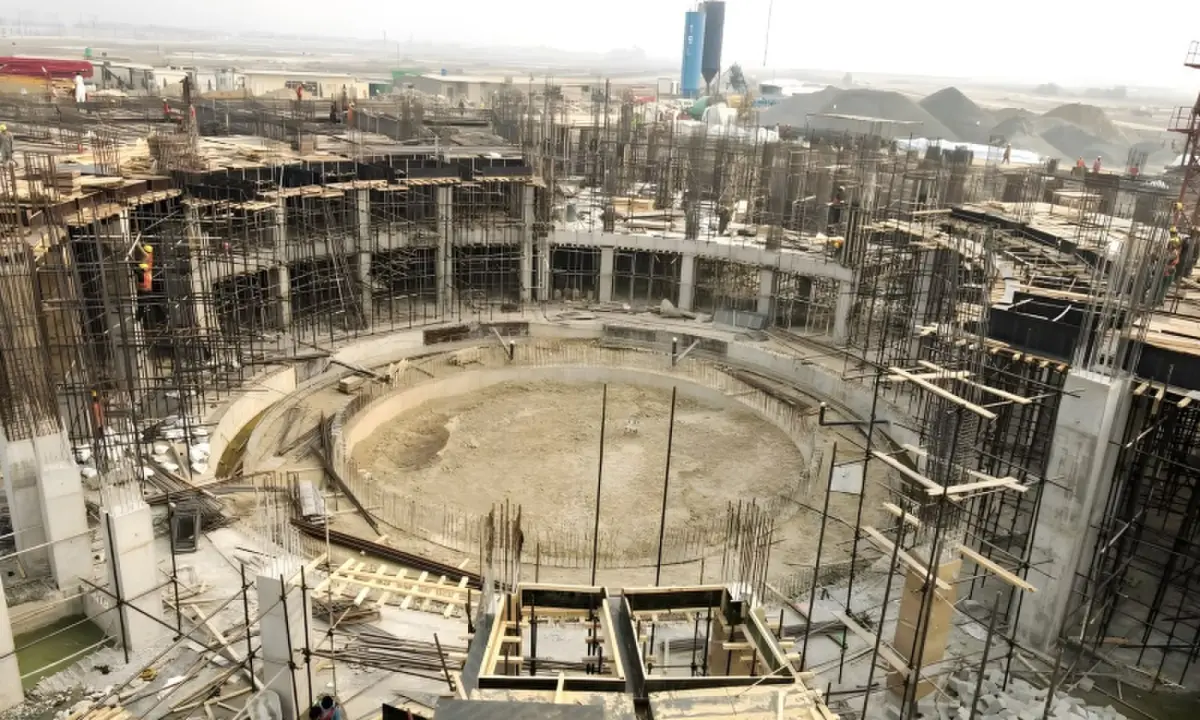
ISLAMABAD — The Punjab government has advanced work on Pakistan's inaugural climate observatory, an under-construction facility designed to revolutionize environmental monitoring and disaster management across the province. Punjab Chief Minister Maryam Nawaz Sharif highlighted the milestone development, noting that the initiative will leverage advanced technologies to tackle escalating ecological challenges.
Approved in May 2025 after a detailed evaluation of its feasibility plan, land acquisition, and budgetary requirements, the observatory incorporates technical input from the University of Engineering and Technology, Lahore. The project utilizes an artificial intelligence-powered climate intelligence system to deliver continuous, real-time tracking of air quality, water resources, soil composition, and prevailing weather patterns.
Administrators intend for the facility to significantly bolster provincial capabilities in weather forecasting, flood prediction, and early warning systems. By upgrading these technical frameworks, the initiative aims to systematically improve regional readiness against climate-induced disasters while advancing long-term water conservation and sustainable resource management.
Beyond immediate disaster resilience, the observatory will feature dedicated research laboratories and environmental data archives to nurture young climate scientists. Provincial leadership expects the establishment to attract international scientific partnerships, foster climate-resilient agriculture, and provide empirical data to guide evidence-based policymaking throughout Punjab.