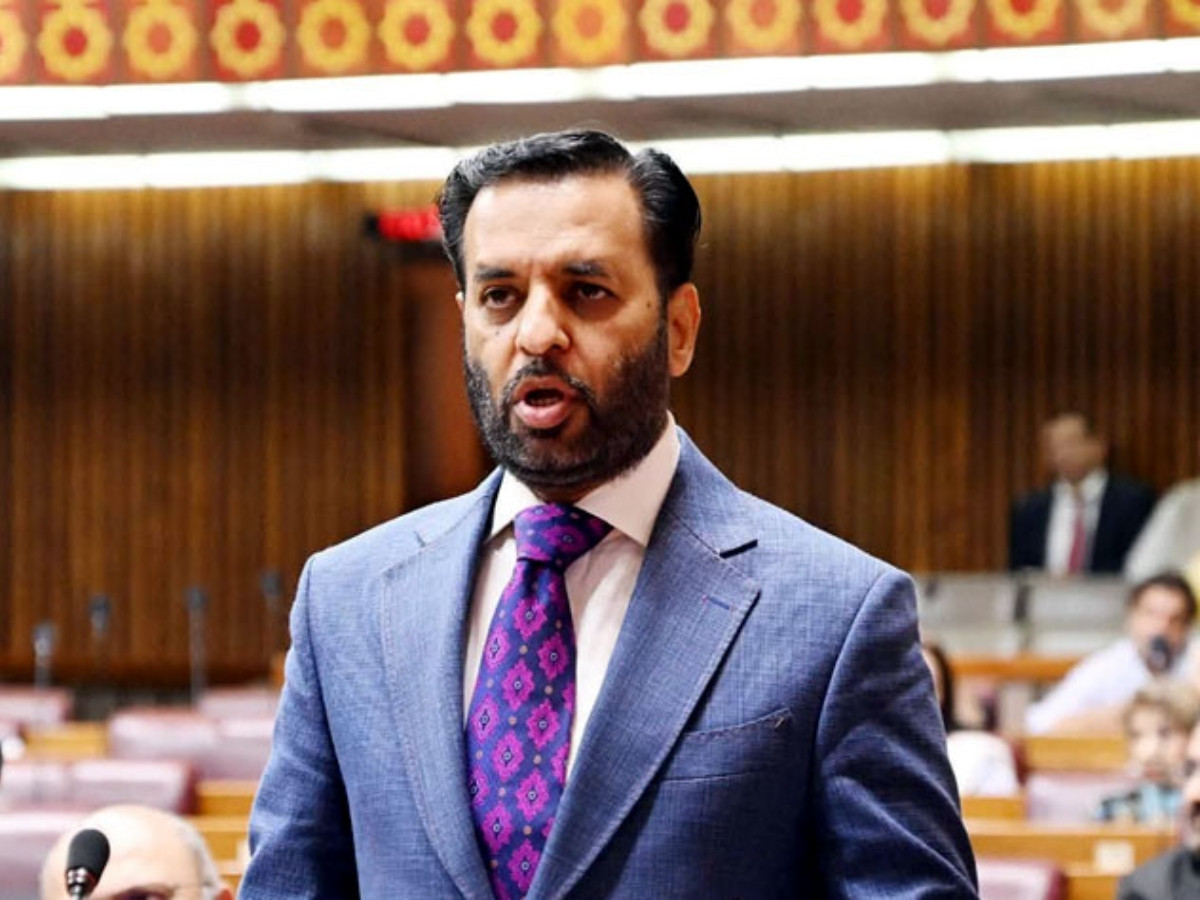
ISLAMABAD — The federal cabinet remains divided over proposed structural reforms, as cabinet members publicly debate the creation of new administrative units and the constitutional mechanisms required to alter the country's provincial map. Speaking at an official event in Karachi, Federal Health Minister Mustafa Kamal insisted that establishing smaller administrative units is an absolute necessity rather than a mere political preference. This stance follows recent statements by Interior Minister Mohsin Naqvi advocating for a public referendum on forming new provinces, a proposal that has triggered sharp political reactions and renewed debates over the country's existing governance architecture.
According to the figures presented, the current administrative framework governs a population of approximately 260 million through only four major provinces, which outsize numerous sovereign nations globally. Under the current financial structure, the four provinces received a collective allocation of Rs8.84 trillion from the national divisible pool, representing 57.5 percent of total revenues. However, policymakers noted that these substantial funds fail to trickle down to the grassroots or village levels because provincial authorities have historically neglected to devolve administrative powers further downward.
The debate over administrative restructuring has exposed underlying friction among ruling coalition partners regarding constitutional processes and provincial autonomy. Minister for Parliamentary Affairs Tariq Fazal Chaudhry emphasized that neither Parliament nor the provincial assemblies can be bypassed or negated on the matter through a public referendum, maintaining that any initiative must secure the explicit consent of all coalition allies. Meanwhile, the proposal has encountered fierce resistance from regional leadership in Sindh, where provincial authorities have rejected the premise of a collapsed governance system and warned against any attempts to divide the province.
As discussions surrounding administrative overhaul continue to evolve, stakeholders are weighing the economic implications of the current governance model against potential structural reforms. Health Minister Mustafa Kamal argued that revenue engines like Karachi remain severely underutilized, operating at less than ten percent of their true potential while local populations struggle to secure municipal rights. With the ruling coalition divided on whether to pursue a public referendum or legislative consensus, the timeline for any formal administrative restructuring remains uncertain as political stakeholders navigate divergent regional interests.