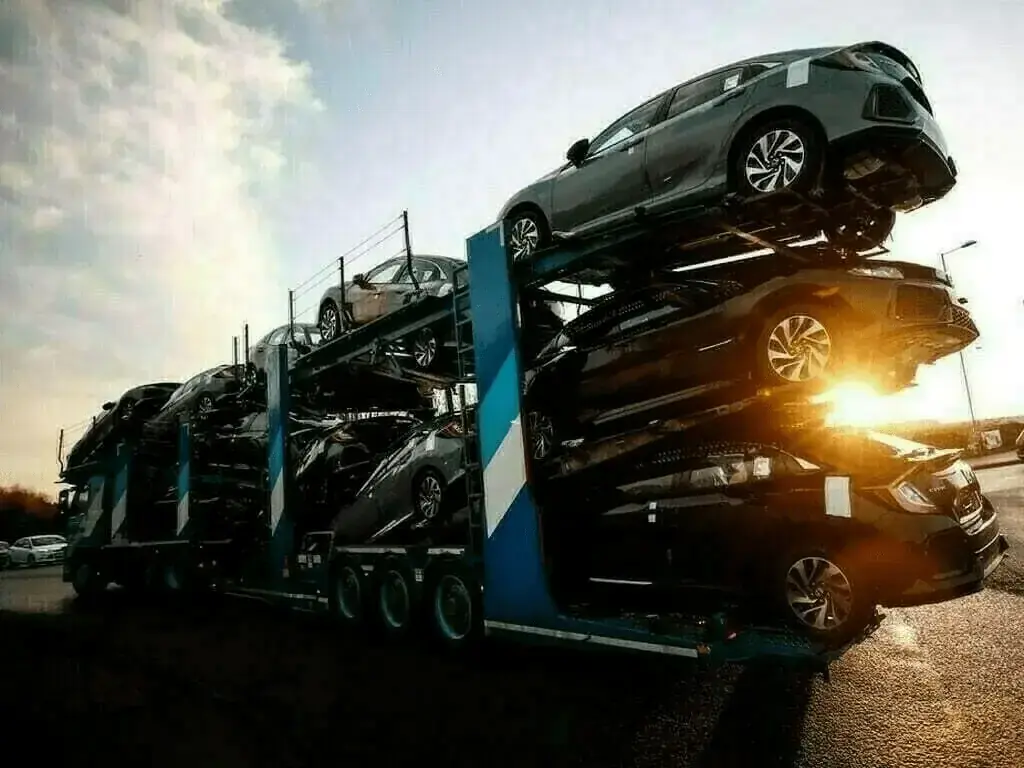
KARACHI — Pakistan's domestic automobile sales have stagnated over the past two decades despite the industry establishing an annual production capacity of 600,000 units. Local car sales stood at 152,000 units in 2005, compared with 148,000 units in 2025, reflecting persistent economic volatility and policy uncertainty.
Pakistan Association of Automotive Parts & Accessories Manufacturers (PAAPAM) Chairman Abdul Rehman Aizaz stated that recurring economic disruptions and limited access to affordable financing had crippled market growth. "The stagnation was not a failure of the industry but a consequence of recurring economic disruptions," Aizaz said.
The domestic industry has achieved 50 to 65 percent localization by value in Japanese cars, with approximately 1,200 component vendors directly employing 300,000 workers. However, broader sector expansion remains constrained by fluctuating consumer purchasing power and unstable gross domestic product growth.
Addressing delays in the finalization of the Auto Policy 2026-31, Aizaz cautioned that government strategies favoring tax reductions over lowering manufacturing costs could destabilize local assemblers. Such measures risk boosting the import of completely built-up vehicles and foreign parts, putting severe pressure on foreign exchange reserves.
With Pakistan's population reaching 255 million—where 65 percent are below the age of 35 and 45 percent live below the poverty line—industry leaders maintain that job creation must anchor future policy frameworks. Authorities are currently attempting to balance traditional automakers with the transition toward electric vehicles.




Reader Discussion (0)
MODERATED · NO LINKS OR SPAMLoading reader comments...