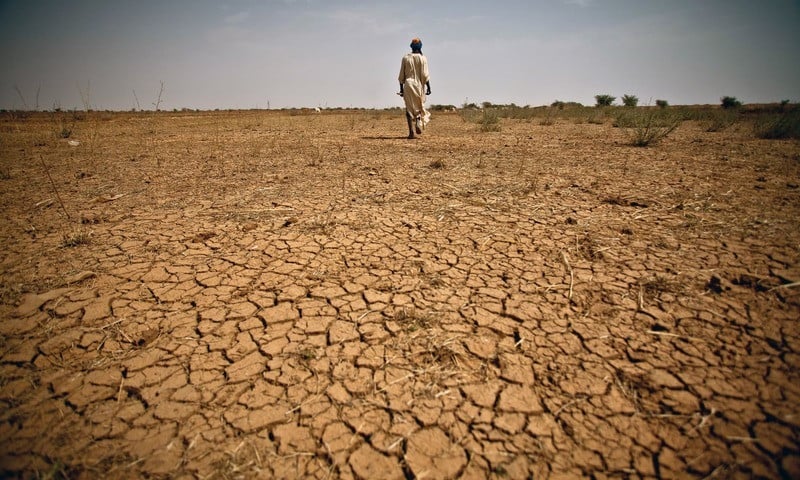
ISLAMABAD — Punjab and Sindh are facing a projected 22 per cent irrigation-water shortfall during the ongoing Rabi season, raising concerns over the availability of water for wheat and other winter crops as the country's three major reservoirs currently hold a combined 6.167 million acre-feet of usable water. The Indus River System Authority (IRSA) has approved a 22pc water shortage for the Rabi season, running from October 1, 2026, to March 31, 2027, based on anticipated river inflows of 21.268 million acre-feet.
The authority has estimated provincial water withdrawals at 29.183 million acre-feet, leaving farmers in the two major agricultural provinces facing constraints during a critical period for winter crop cultivation. The projected shortage could affect wheat, the country's principal Rabi crop, as well as tobacco, barley, mustard, gram, lentils, potatoes, onions and tomatoes. The availability of timely irrigation is particularly important for wheat cultivation, as water shortages during critical stages of crop development can affect plant growth and ultimately reduce yields.
According to the latest figures released by the Water and Power Development Authority (WAPDA), the combined usable water storage in the Tarbela, Mangla and Chashma reservoirs stands at 6.167 million acre-feet. At Tarbela, the water level stands at 1,488.93 feet, with a storage volume of 2.456 million acre-feet. The inflow of the Indus River at the site is recorded at 25,600 cusecs, while the outflow stands at 45,000 cusecs.